


Full body skin cancer checks & skin conditions
Have you noticed a new spot, a changing mole or a persistent skin concern? A GP consultation can help assess your skin and discuss the next steps.
At Family Health on Highway, full body skin checks and care for common dermatological conditions are guided by your symptoms, medical history and individual needs.
GP assessment & personalised follow-up
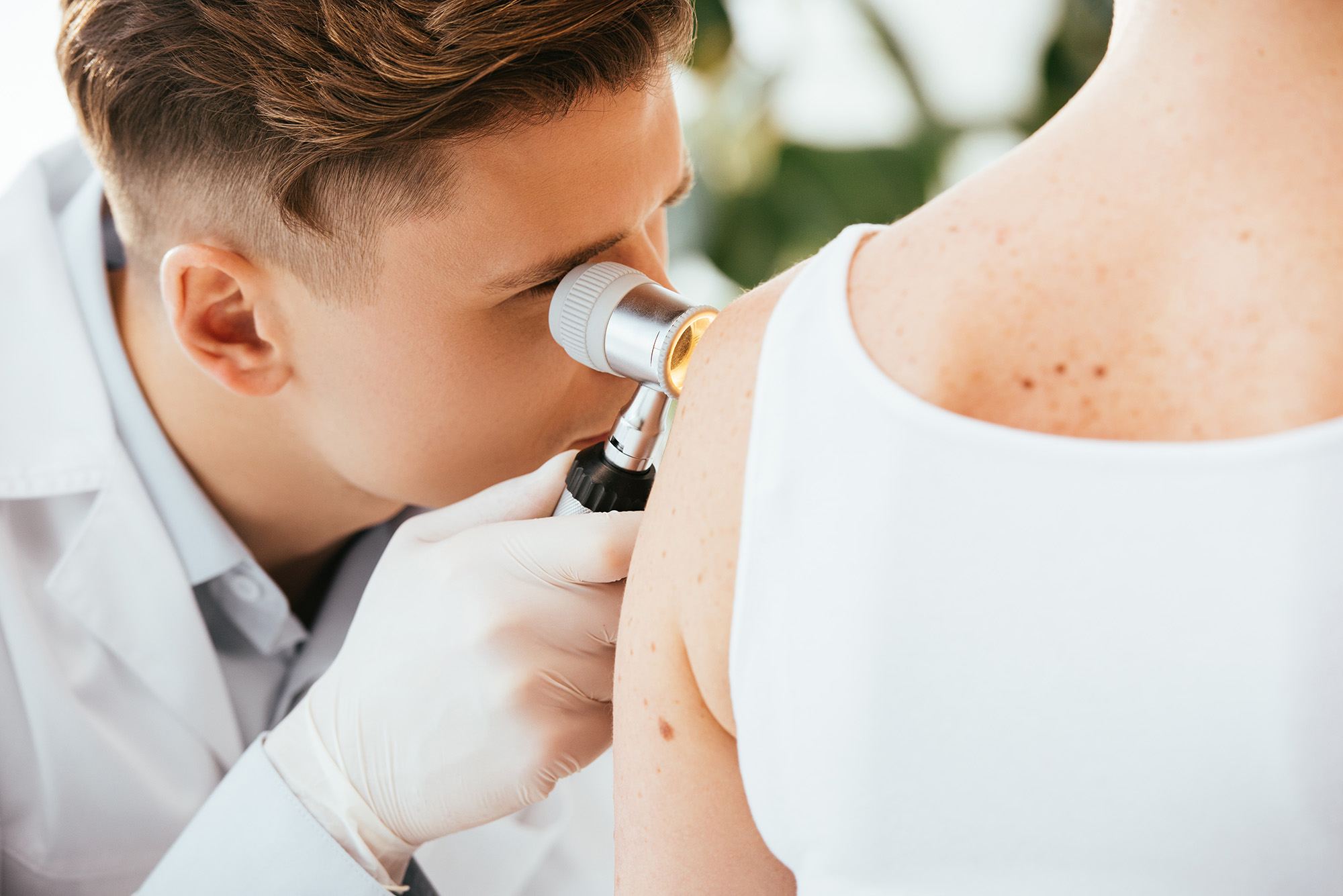
- Skin checks & common concerns
Care for your skin, at every stage
Full body skin check
Examination & risk assessment
New or changing spots
Moles, lesions & sun damage
Eczema & dermatitis
Itching, dryness & inflammation
Acne & rosacea
Assessment & management
Psoriasis
Flare-ups & ongoing care
Skin procedures
Biopsies, excisions & follow-up
Other skin concerns
Rashes, infections & warts
- Skin cancer assessment
Full body skin check
A full body skin check involves examining your skin for lesions that may need further assessment. Your doctor will ask about skin changes, previous skin cancers, family history, sun exposure and relevant medical conditions.
The examination may include your scalp, back, arms, legs, hands and feet. Your doctor will explain the examination and seek your consent. Let them know about any areas of concern, privacy preferences or support needs.
A skin check cannot identify every skin cancer or guarantee that a cancer will not develop later. If you notice a new or changing spot after your appointment, seek further medical assessment.
What happens if a lesion needs further assessment?
Your doctor will discuss whether monitoring, a biopsy, removal or specialist referral is appropriate. A tissue sample may be needed to confirm a diagnosis. Any procedure requires a discussion of alternatives, benefits, risks and costs, followed by your consent.
Possible risks of skin procedures include bleeding, infection, scarring and the need for further treatment. Procedures may require a separate appointment or referral.
- When to seek advice
New or changing spots
Arrange a medical assessment if you notice a new spot, a mole changing in size, shape or colour, a sore that does not heal, or a lesion that bleeds without an obvious cause. These changes do not always mean skin cancer, but they should be assessed.
Your GP can also assess sun-damaged areas and discuss whether further investigation, treatment or referral is needed.
How often should I have a skin check?
There is no single schedule suitable for everyone. Your doctor can recommend follow-up based on your personal risk, findings and medical history. People with a previous skin cancer, a family history of melanoma, many unusual moles or a weakened immune system may need closer monitoring.
Routine population-wide skin cancer screening is not recommended in Australia. Become familiar with your skin and seek advice about any new or changing lesion rather than waiting for your next planned check.
- Common skin conditions
Eczema & dermatitis
Eczema and dermatitis can cause itchy, dry or inflamed skin. Your GP can assess the pattern of your symptoms, possible irritants or triggers, and signs of infection.
Management may include advice on skin care and avoiding irritants, with treatment tailored to the diagnosis and severity. Persistent, severe or uncertain symptoms may need specialist assessment.
- Common skin conditions
Acne & rosacea
Acne and rosacea are different conditions and need an individual assessment. Your GP can discuss breakouts, facial redness, irritation or other symptoms, alongside their effect on your daily life.
Management depends on the condition, severity, previous treatments and your health needs. Follow-up helps review your response. Scarring, severe symptoms or an uncertain diagnosis may require referral.
- Common skin conditions
Psoriasis
Psoriasis is a long-term inflammatory condition that can affect the skin and sometimes the nails or joints. Your GP can assess symptoms, discuss management and review flare-ups.
Tell your doctor about joint pain, stiffness or swelling. Extensive psoriasis, persistent symptoms or possible joint involvement may require specialist care.
- Common skin concerns
Rashes, infections & warts
GP consultations can assess unexplained rashes, suspected fungal or bacterial skin infections, and warts. Similar-looking symptoms can have different causes, so assessment helps guide appropriate care.
Some concerns can be managed in general practice; others may need testing or referral to a dermatologist or another specialist.
When should I seek urgent help?
Seek urgent medical care for rapidly spreading redness with fever, severe skin pain, or a widespread blistering rash. Call 08 7123 2555 if you have difficulty breathing or swelling of the tongue or throat.
- Skin procedures
Biopsies, excisions & follow-up
If a skin lesion needs further investigation or removal, your GP will discuss whether a biopsy or excision is appropriate. The type of procedure depends on the lesion, its location and your clinical needs. Some procedures may require a separate appointment or specialist referral.
| Procedure | Flat rate |
|---|---|
| Punch / shave biopsy | A$150 |
| Simple excision (<15 mm) | A$180 |
| Large / complex excision (flap) | A$250 |
| Suture removal & results | Usually included in the procedure fee |
The practice’s supplied fee schedule lists these as private, non-rebatable services. Concession rates do not apply to these procedure fees. This does not describe Medicare eligibility for a separate consultation or other services.
Confirm the total cost before proceeding, including whether consultation or pathology fees are additional and whether suture removal and results are included in your case.
Consent, risks & recovery
Your doctor will explain the proposed procedure, alternatives, expected recovery and follow-up before seeking your consent. Risks may include bleeding, infection, scarring and the need for further treatment. You will receive aftercare advice specific to your procedure.
- Before your visit
Preparing for your appointment
- Tell reception whether you need a full body skin check or assessment of a particular skin concern, so they can arrange the appropriate appointment.
- Wear clothing that is easy to remove and avoid heavy makeup. Remove nail polish if possible.
- Note any spots that have changed and bring previous skin-check results or photographs if available.
- Bring your Medicare card and a list of medicines and relevant medical history.
- Let reception know if you would like to discuss a chaperone or other support for the examination.
- Fees & follow-up
Plan your visit
Ask reception to confirm the appointment length, consultation fee and any applicable Medicare rebate before booking. Fees for procedures, pathology or specialist care may be separate.
Your doctor will explain any recommended next steps and how results and follow-up will be arranged. If you have not received an expected result, contact the practice.
- Family Health on Highway